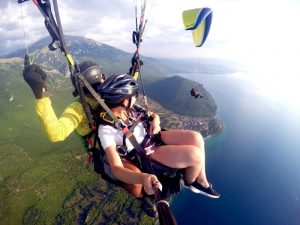
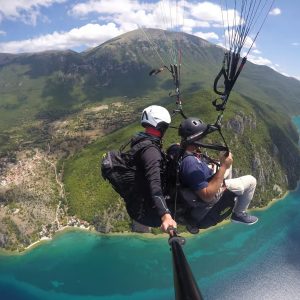
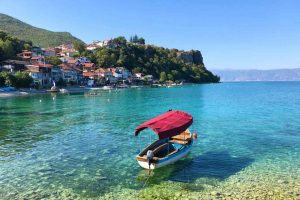
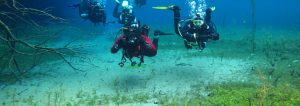
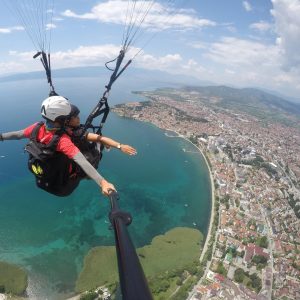
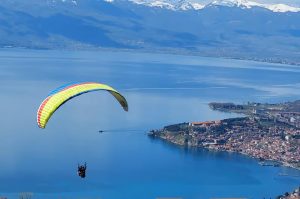
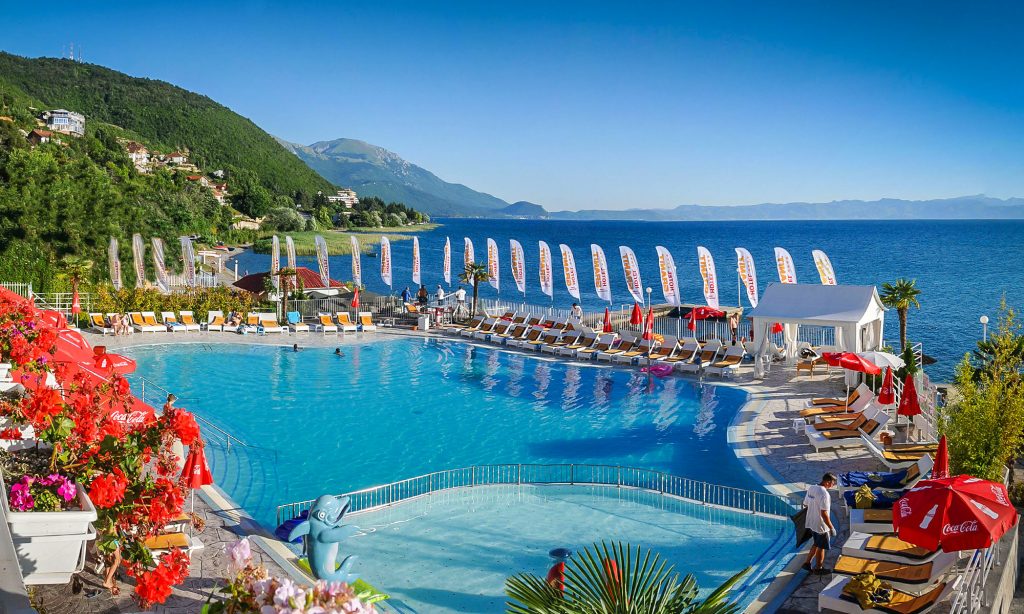
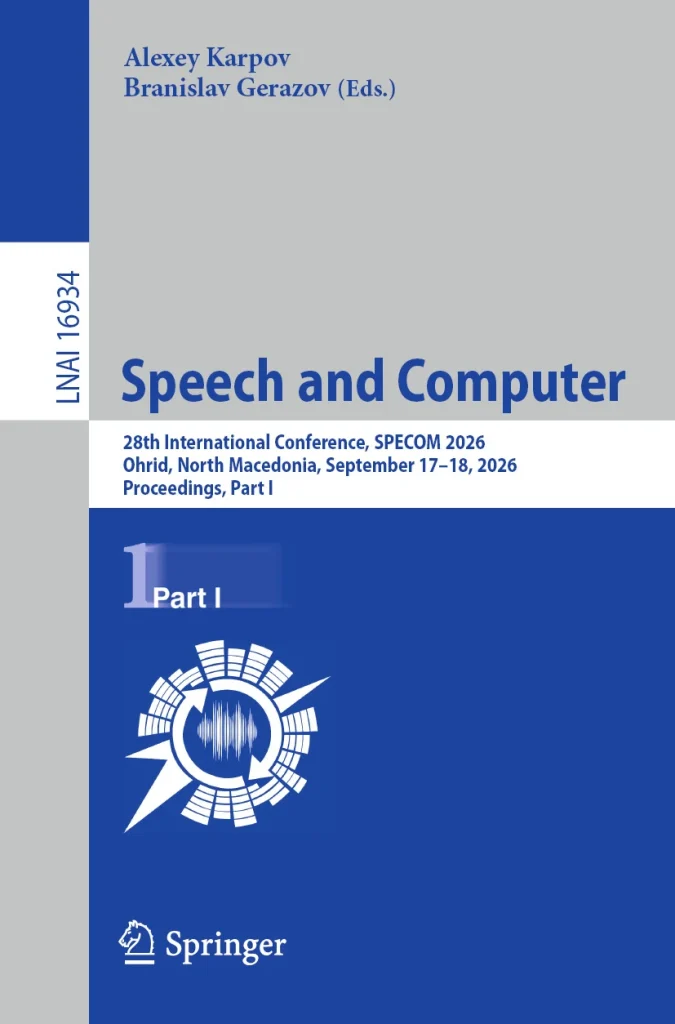
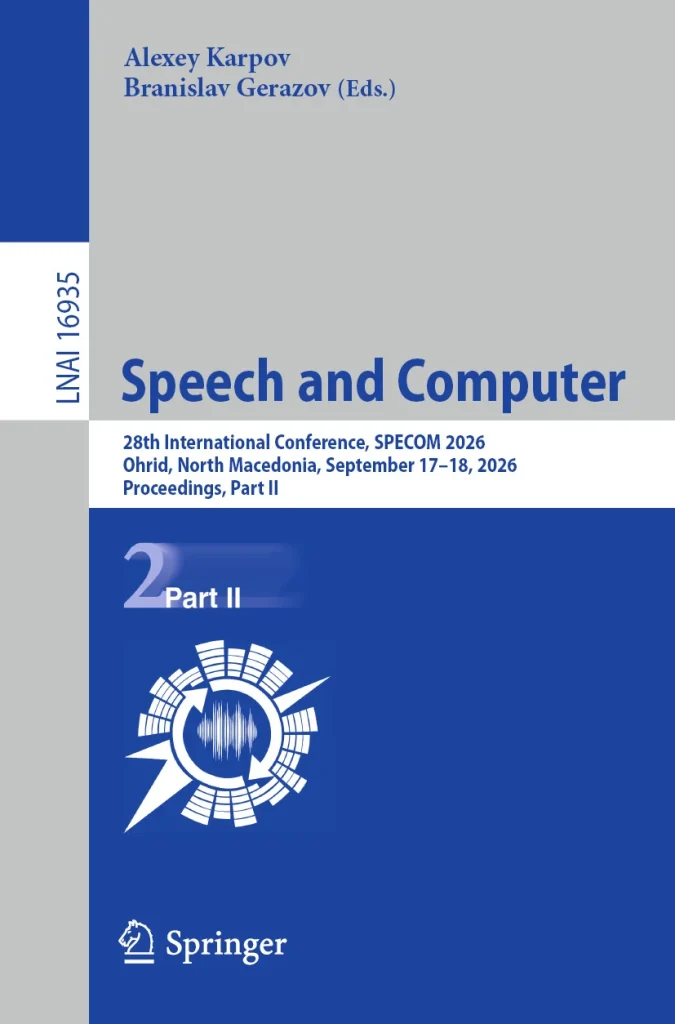
Pleasant September temperatures and warm lake waters are ideal for enjoyable nonformal gatherings and a short swim between sessions, with SUP, paragliding and diving for the more adventurous.
SPECOM 2026
28th International Conference on Speech and Computer 17-18 Sep 2026, Ohrid, North Macedonia
Beyond
Speech
Language
AI
Innovation
Exploring the Next Era of Speech and Language Science and Technology
Where Systems, Signals, and Innovation Converge
30 years Shaping the Future of Speech Technology
The International Conference on Speech and Computer SPECOM 2026 brings together leading researchers, linguists and engineers working in the areas of speech science, speech and language technologies, human-computer interaction, forensics, voice disorders and paralinguistics.
SPECOM 2026 marks the 30 years anniversary since the first SPECOM 1996, and follows successful events held in Szeged, Belgrade, Dharwad, Gurugram, Istanbul, Leipzig, Hatfield, Budapest, Athens, Novi Sad, Pilsen, Kazan, Patras, Moscow, and St. Petersburg.
We welcome you to Ohrid
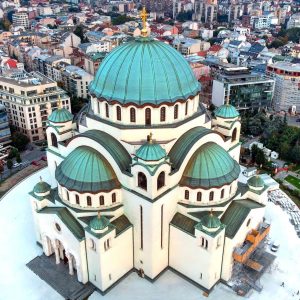
Cultural heritage
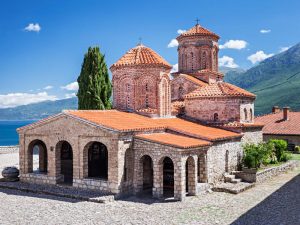
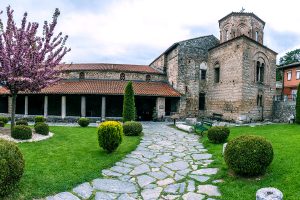
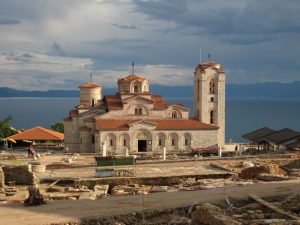
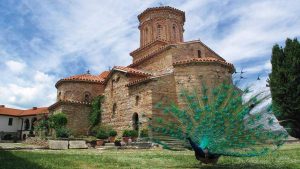
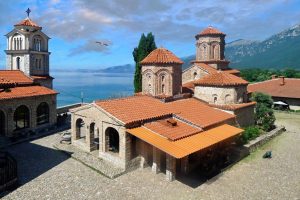
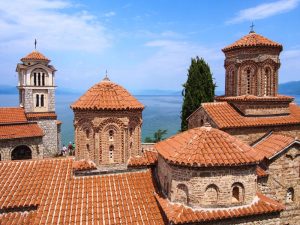
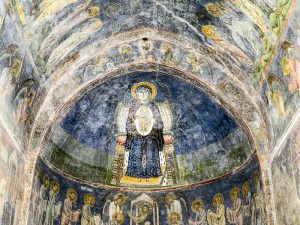
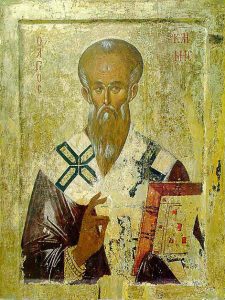
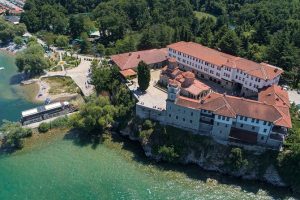
Ohrid is a UNESCO world heritage site, and is known as the Jerusalem of the Balkans due to 300+ Roman and Byzantine churches and monasteries adorned with vibrant frescos, icons and woodcarving.
Scenic landscapes
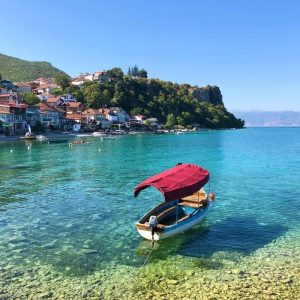
Breathtaking views of crystal-clear Lake Ohrid, surrounding mountains, and unforgettable sunsets create an inspiring atmosphere for work and networking.
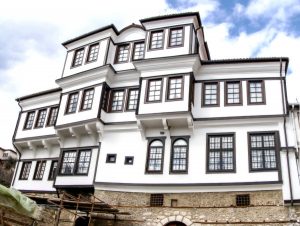
Historic architecture
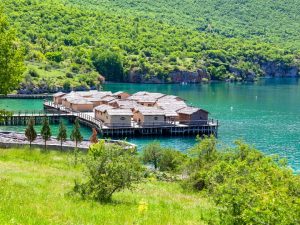
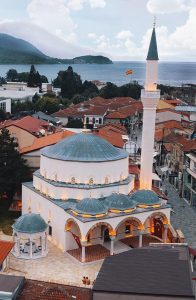
From prehisotric localities, ancient ruins, medieval churches and fortress walls to Ottoman and modern influences, the city offers a uniquely complete journey through time.
Fun in the sun


Venue & Accommodation
The SPECOM 2026 Conference venue Hotel Granit is located on the shores of Lake Ohrid, in the locality St. Stefan, 5 km from the center of Ohrid and 12km from Ohrid’s airport. Hotel Granit is a four star modern hotel.
An adequate number of rooms have been reserved for the Conference attendants at special rates. For reservations, as well as airport transfers (to/from Skopje and Ohrid Airports), please fill in the accommodation and transfer reservation form and send it to the travel agency BT Makedonija via booking@btmakedonija.com.mk or contact@btmakedonija.com.mk
Advancing Research in Speech and Language Science and technology
Engineering Tomorrow’s Speech & Language Science and Technology
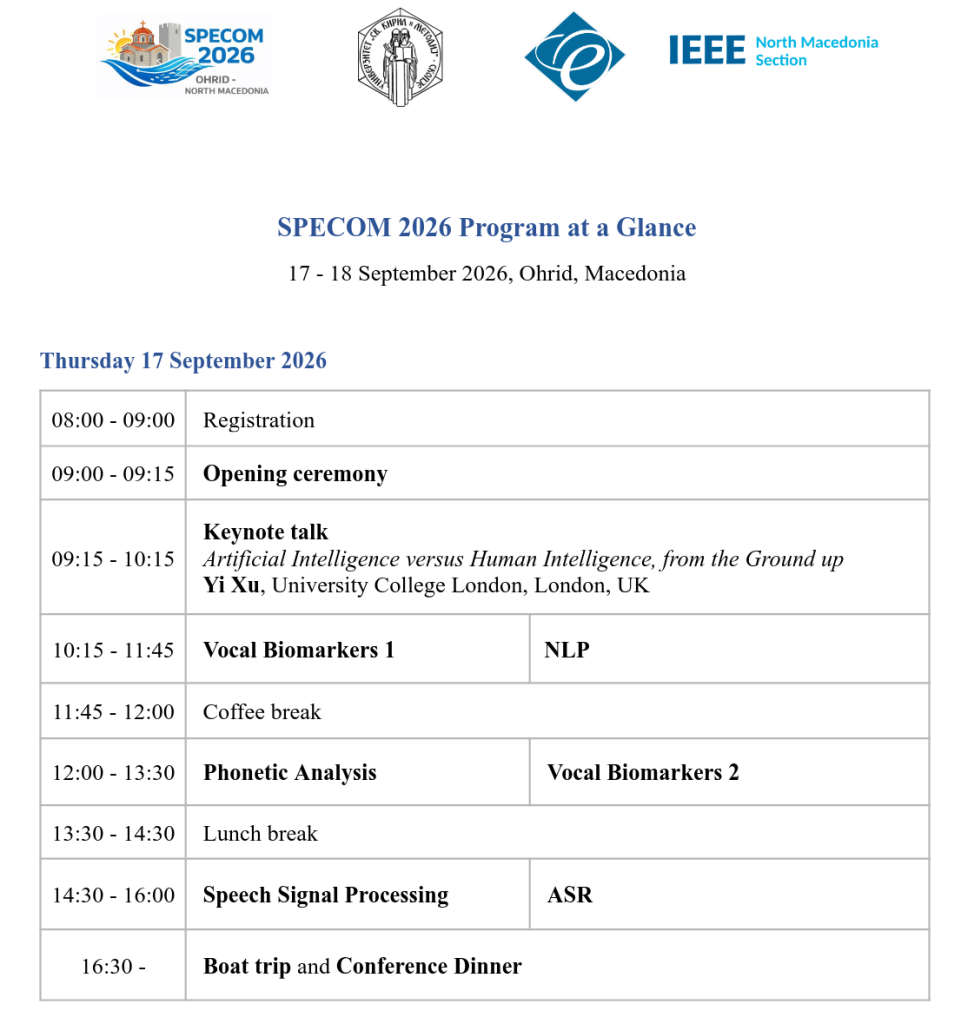
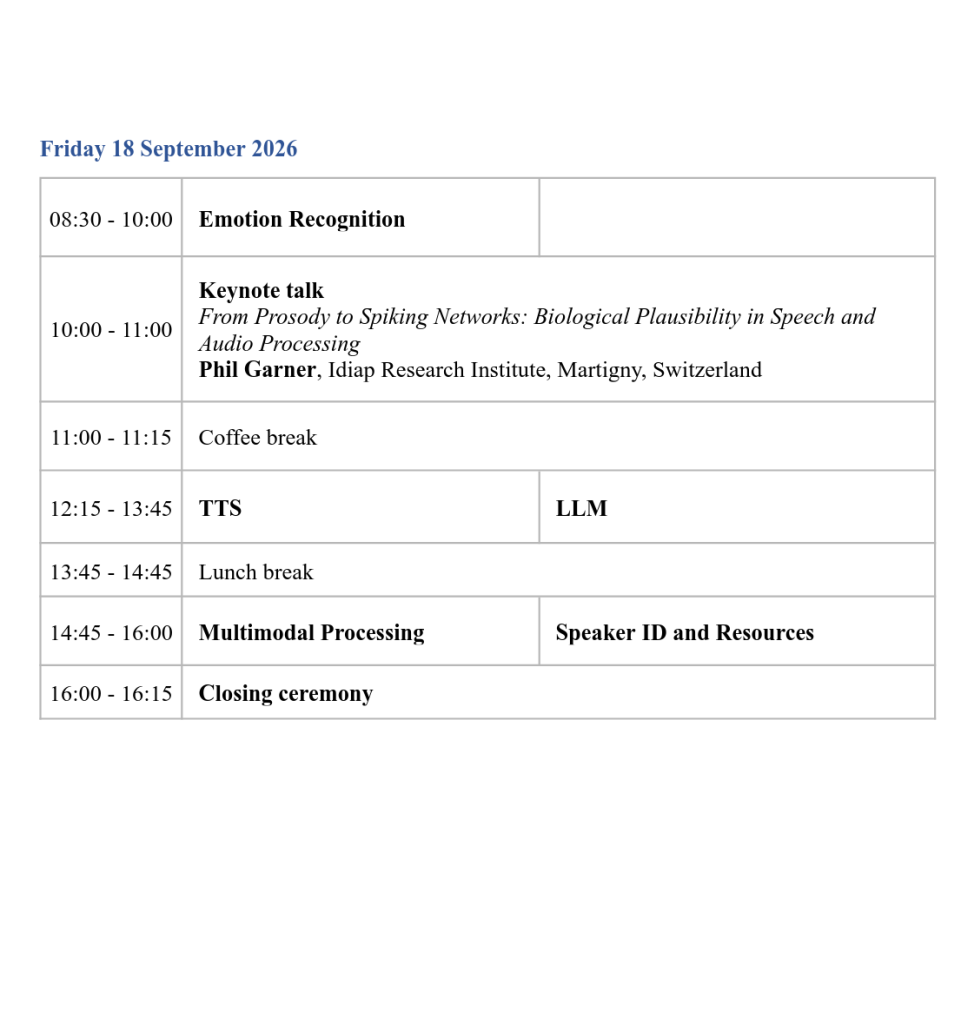
Conference Program
All papers will be presented as oral presentations within a slot of 15 minutes (presentations + questions). Please prepare your slides as pdf (optionally odp or ppt/x) and provide them on a USB drive 15 minutes before the start of your session.
Presenting authors of online papers will be notified of presentation instructions including links for joining the sessions. Please upload a video recording (as backup) of your presentation by September 14 to the dedicated link.
Paper Submission & Publication
Papers must be submitted electronically, in PDF format via EasyChair.
Each paper will be reviewed by three independent reviewers (single-blind) and accepted papers will be published in the SPECOM electronic proceedings by Springer Nature in the Lecture Notes in Computer Science (LNCS / LNAI) series (Scopus Q2).
Presenting authors can opt-in for an online presentation.
Important Deadlines
• Full Paper Submission | June 8, 2026 (final extension)
• Notification of Acceptance | June 26, 2026
• Camera Ready | July 10, 2026
• Early Registration | July 24, 2026
• Registration Deadline | September 4, 2026
• Conference Days | September 17-18, 2026
Camera Ready Paper Preparation
All authors are kindly asked to follow the Springer LNCS author formatting guidelines the preparation of their manuscripts. Users of LaTeX should download the corresponding support file available by Springer and check the included readme. Users of LibreOffice or other office suites should use the provided template.
Camera-ready papers for SPECOM 2026 must be 10-17 pages long (including all figures and references). They should be submitted via EasyChair with:
1. Final source files: LaTeX (zip, including figures and specific style files not included in CTAN if used) or DOC/DOCX.
2. Final PDF file corresponding exactly to the final source files.
3. A scanned copy of a filled in and signed Springer Copyright Form as a PDF file.
Copyright form
Each contribution must be accompanied by a Springer copyright form. Authors will be asked to transfer the copyright of the paper to Springer.
1. One author may sign on behalf of all of the authors of a particular paper. In this case, the author signs for and accepts responsibility for releasing the material on behalf of any and all co-authors.
2. Modified forms are not acceptable.
3. The “Title of the Contribution” (i.e., paper title) and the List of Authors should match exactly the title and the list of authors of the paper.
4. Machine-typed signatures and digital signatures are not acceptable by Springer.
Editorial Policies
As part of the submission process, authors are required to check off their submission’s compliance with the Springer editorial policies (Author Responsibilities and Ethics). Authors should follow the minimum standards as set out in the Springer Nature Code of Conduct for Book Authors.
Registration Fees
At least one author of each accepted paper must register before the Registration Deadline (Septembre 4, 2026) at the Author rate (not at the student rate, even if the author is a student) in order to have the paper published in the SPECOM 2026 Proceedings.
One author registration is valid for one paper.
The person presenting the work (accepted paper) at the conference must be a (co)author of the work and must be a registered conference participant. Any co-authors attending the conference should register for the conference according to their status.
The paper must be presented at the conference to be included in the proceedings.
| Early registration ends July 29 2026 | Late registration | |
|---|---|---|
| Author or Attendee* | 390 € | 450 € |
| Online Author | 350 € | 400 € |
| Attendee Student *1 | 270 € | 320 € |
| Accompanying Person† | 200 € | 200 € |
* Full conference fees cover: badge, admission to all conference sessions, conference package, lunches during the conference days, coffee breaks, admission to Gala Dinner and Sight-seeing tour.
† Accompanying person fees include lunches during the conference days, admission to Gala Dinner and Sight-seeing tour.
1 Students must provide proof of their status with a copy of their student card sent with the registration form.
Committees
General Chairs
Branislav Gerazov, FEEIT, UKIM
Vladimir Atanasovski, FEEIT, UKIM
Technical Program Chairs
Alexey Karpov, SPC RAS, St. Petersburg
Dimitar Taskovski, FEEIT, UKIM
Organizing Chair
Pero Latkoski, FEEIT, UKIM
Tomislav Kartalov, FEEIT, UKIM
Publication Chairs
Zhivko Kokolanski, FEEIT, UKIM
Tomislav Shuminoski, FEEIT, UKIM
Program Committee
Shyam Agrawal, KIIT College of Engineering, India
Mohammed Al-Radhi, Budapest University of Technology and Economics, Hungary
Jahangir Alam, Computer Research Institute of Montreal (CRIM), Canada
Elias Azarov, Belarusian State University of Informatics and Radioelectronics, Belarus
Vladimir Chuchupal, Federal Research Center ”Computer Science and Control” of Russian Academy of Sciences, Russia
Andrea Corradini, MCI Innsbruck, Austria
Vlado Delic, University of Novi Sad, Serbia
Yannick Esteve, Avignon University (LIA), France
Vera Evdokimova, St. Petersburg State University, Russia
Nikos Fakotakis, University of Patras, Greece
Olga Frolova, St. Petersburg State University, Russia
Minglei Fu, Zhejiang University of Technology, China
Branislav Gerazov, Ss. Cyril and Methodius University, North Macedonia
Gabor Gosztolya, University of Szeged, Hungary
Ivan Gruber, University of West Bohemia, Czech Republic
Denis Ivanko, St. Petersburg Federal Research Center of the Russian Academy of Sciences, Russia
Niksa Jakovljevic University of Novi Sad, Serbia
Daniel Benniah, John UC Berkeley, USA
Ildar Kagirov, St. Petersburg Federal Research Center of the Russian Academy of Sciences, Russia
Tomislav Kartalov, Ss. Cyril and Methodius University, North Macedonia
Alexey Kashevnik, St. Petersburg Federal Research Center of the Russian Academy of Sciences, Russia
Sergei Katkov, Free University of Bozen-Bolzano, Italy
Heysem Kaya, Utrecht University, the Netherlands
Irina Kipyatkova, St. Petersburg Federal Research Center of the Russian Academy of Sciences, Russia
Liliya Komalova, Moscow State Linguistic University, Russia
Sunil Kumar Kopparapu, Tata Consultancy Services Ltd, India
Olesia Koroteeva, ITMO University, Russia
Evgeny Kostyuchenko Tomsk State University of Control Systems and Radioelectronics, Russia
Ivan Kraljevski, Fraunhofer IKTS, Germany
Andrew Krizhanovsky, Karelian Research Centre of the Russian Academy of Sciences, Russia
Yanxiong Li, South China University of Technology, China
Antonio Liotta, Free University of Bozen-Bolzano, Italy
Natalia Loukachevitch, Research Computing Center of Moscow State University, Russia
Elena Lyakso, St. Petersburg State University, Russia
Danila Mamontov, Ulm University, Germany
Maxim Markitantov, St. Petersburg Federal Research Center of the Russian Academy of Sciences, Russia
Konstantin Markov, University of Aizu, Japan
Yuri Matveev, ITMO University, Russia
Peter Mihajlik, Budapest University of Technology and Economics, Hungary
Nikolay Mikhaylovskiy, Higher IT School of Tomsk State University, Russia
Wolfgang Minker, Ulm University, Germany
Oliver Niebuhr, University of Southern Denmark, Denmark
Dariya Novokhrestova, Tomsk State University of Control Systems and Radioelectronics, Russia
Sergey Novoselov, STC-innovations Ltd., Russia
Hemant A. Patil, Dhirubhai Ambani University (DAU) Gandhinagar, India
Nick A. Petrovsky, Belarusian State University of Informatics and Radioelectronics, Belarus
Liliya Petrushina, Stenograph LLC, USA
Dimitar Popov, Konstantin Preslavsky University of Shumen, Bulgaria
Branislav Popovic, Synechron Novi Sad, Serbia
Vsevolod Potapov, Lomonosov Moscow State University, Russia
Rodmonga Potapova, Moscow State Linguistic University, Russia
Sergey Rybin, ITMO University, Russia
Dmitry Ryumin, St. Petersburg Federal Research Center of the Russian Academy of Sciences, Russia
Elena Ryumina, St. Petersburg Federal Research Center of the Russian Academy of Sciences, Russia
Albert Ali Salah, Utrecht University, the Netherlands
Ebru Saraclar, MEF University, Turkey
Maximilian Schmitt, Independent Researcher, Austria
Milan Secujski, University of Novi Sad, Serbia
Tatiana Sherstinova, HSE University, St. Petersburg, Russia
Tatiana Shevchenko, Moscow State Linguistic University, Russia
Nickolay Shmyrev, Alpha Cephei Inc., Russia
Vasiliki Simaki, Lund University, Sweden
Nikola Simic, University of Novi Sad, Serbia
Pavel Skrelin, St. Petersburg State University, Russia
Tatiana Sokoreva, Moscow State Linguistic University, Russia
Valery Solovyev, Kazan Federal University, Russia
Sinisa Suzic, University of Novi Sad, Serbia
Eva Szekely, KTH Royal Institute of Technology, Sweden
Ivan Tashev, Microsoft, USA
Laszlo Toth, University of Szeged, Hungary
Isabel Trancoso, INESC ID Lisboa / IST, Portugal
Maxim Vashkevich, Belarusian State University of Informatics and Radioelectronics, Belarus
Alena Velichko, St. Petersburg Federal Research Center of the Russian Academy of Sciences, Russia
Vasilisa Verkhodanova, University of Groningen, the Netherlands
Veronika Vincze, Hungarian Academy of Sciences, Hungary
Andreas Wendemuth, Otto-von-Guericke University, Germany
Yi Xu, University College London, UK